
Introduction
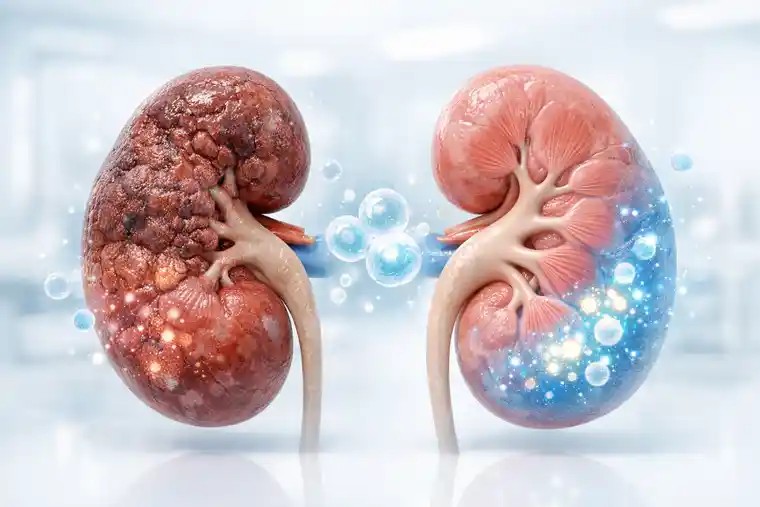
Chronic Kidney Disease (CKD) is a progressive condition characterized by the gradual loss of renal function, which can eventually lead to End-Stage Renal Disease (ESRD). As functional nephrons are systematically destroyed by chronic inflammation, hypertension, or diabetes, the kidneys lose their ability to filter metabolic waste from the bloodstream. Standard nephrology focuses on managing systemic blood pressure, using dietary restrictions, and prescribing medications to delay progression. Once a patient reaches advanced stages, dialysis or organ transplantation become the only conventional options. This has led many patients to explore Stem Cell Treatment for Kidney Disease in India as an early intervention.
The scientific application of regenerative medicine in renal care focuses on halting the progressive cycle of interstitial fibrosis and microvascular loss. Kidneys have a complex architectural design, and once structural scarring sets in, conventional medicine considers it permanent. Stem cell protocols introduce healthy, immunomodulatory cells into the system to modify this destructive pathway. These cells work to suppress chronic inflammatory cytokines, protect the remaining healthy nephrons from premature cellular death, and encourage localized tissue remodeling.
How to Manage a Renal Regenerative Treatment Protocol
Undergoing an advanced cellular protocol for kidney disease requires a structured, safety-first clinical framework:
- Comprehensive Nephrology Evaluation:Patients must compile comprehensive laboratory trends, including sequential serum creatinine levels, blood urea nitrogen (BUN), 24-hour urinary protein excretion, and an accurate estimated GFR (eGFR).
- Structural Renal Assessment:High-resolution renal ultrasounds or specialized imaging are required to evaluate the physical size and structural integrity of the kidneys, ensuring that dense, end-stage scarring has not completely overtaken the organ.
- Determining the Delivery Pathway:Based on the patient’s specific stage of CKD, specialists select the most effective delivery method—ranging from systemic intravenous infusions to targeted renal artery catheterization performed by an interventional radiologist.
- Execution of the Infusion Protocol:The patient is monitored closely in a clinical environment while the concentrated cell population is delivered. Vital signs and hydration levels are managed carefully throughout the process.
- Long-Term Functional Monitoring:Following the procedure, the patient returns to a strict renal care routine, checking blood profiles weekly to track stability and ensure close communication between their primary nephrologist and the regenerative team.
Frequently Asked Questions
Can stem cell treatment eliminate the need for dialysis in Stage 5 CKD?
If a patient has reached Stage 5 CKD and their kidneys are completely shrunken and fibrotic, stem cells cannot rebuild the organ or replace dialysis. The therapy is most effective in Staging 3 and 4, where the goal is to prolong residual kidney function and delay the need for dialysis.
What parameters are monitored to determine if the therapy is working?
The primary indicators of clinical success include a stabilization or gradual increase in the patient’s eGFR, a measurable reduction in serum creatinine and BUN levels, and an improvement in systemic energy levels and fluid management.
Are there major side effects associated with renal stem cell delivery?
Systemic intravenous infusions are generally very well-tolerated, with minor risks limited to temporary low-grade fevers or mild fatigue. Targeted renal artery deliveries carry minor risks associated with standard angiography, such as localized bruising at the catheter access site.
How often do renal cell therapy sessions need to be repeated?
Because chronic kidney disease is an ongoing progressive condition driven by underlying health factors like hypertension or diabetes, patients are evaluated at the 6-month mark to determine if follow-up supportive sessions are necessary to maintain functional stability.
https://optic-atrophy.com/
https://retinitis-pigmentosa.co.in/
https://stargardt-disease.com/